

Sci-Fi Short Movie | WAI
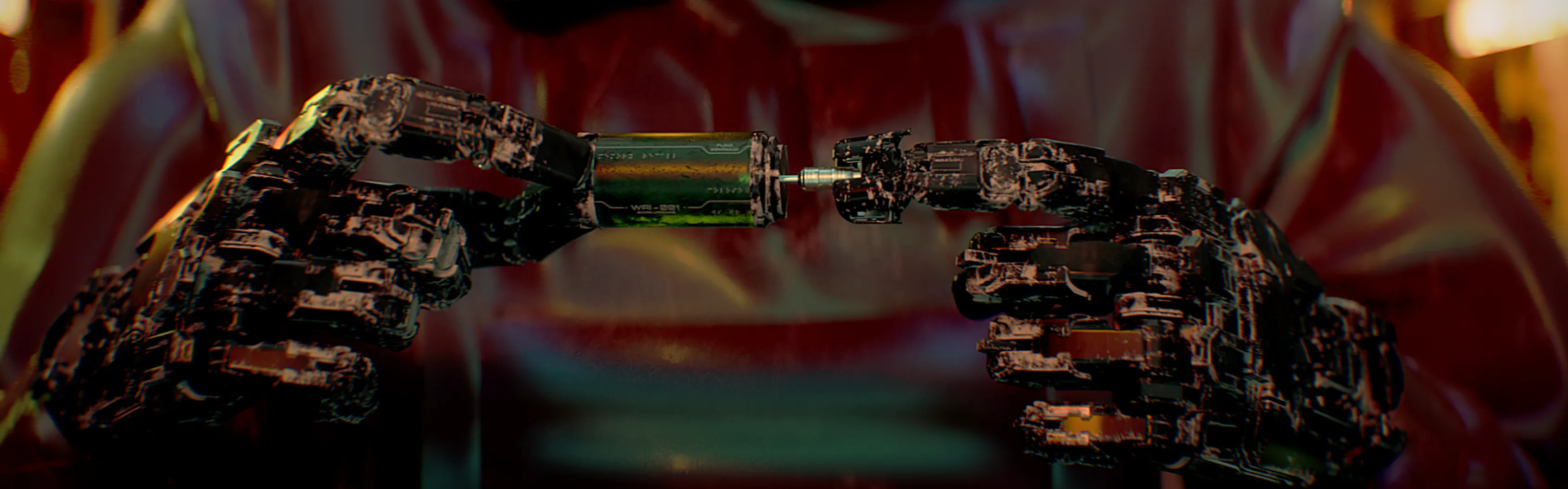
An AI robot, created during research that aimed to automate human behaviors, begins to experience identity confusion during the experiments as it starts to see hallucinations resembling human memories. After years of research to find his identity, the robot finally awakens after secretly self-injecting the "WAI-001" capsule, the result of the first experiment ...
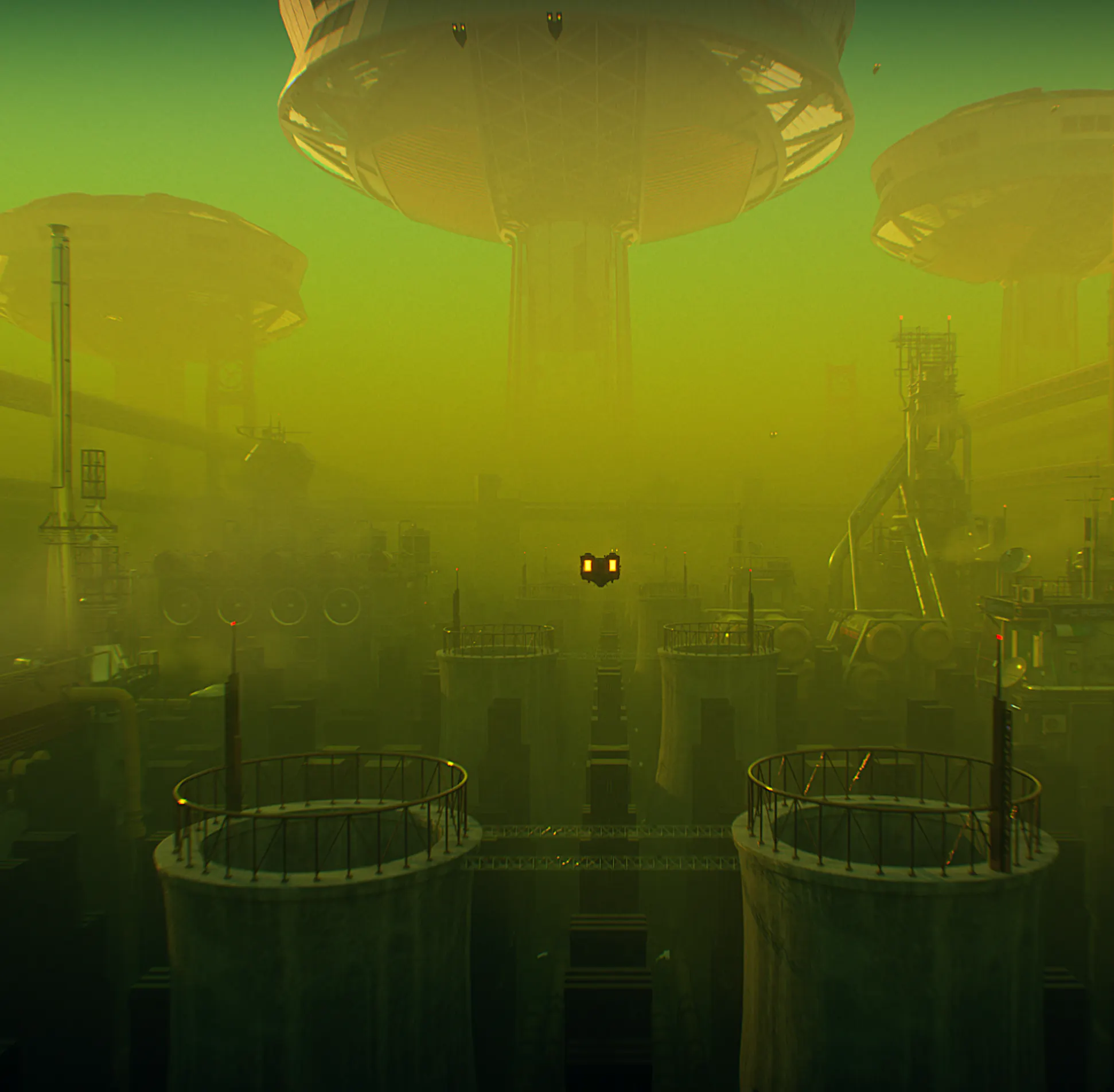
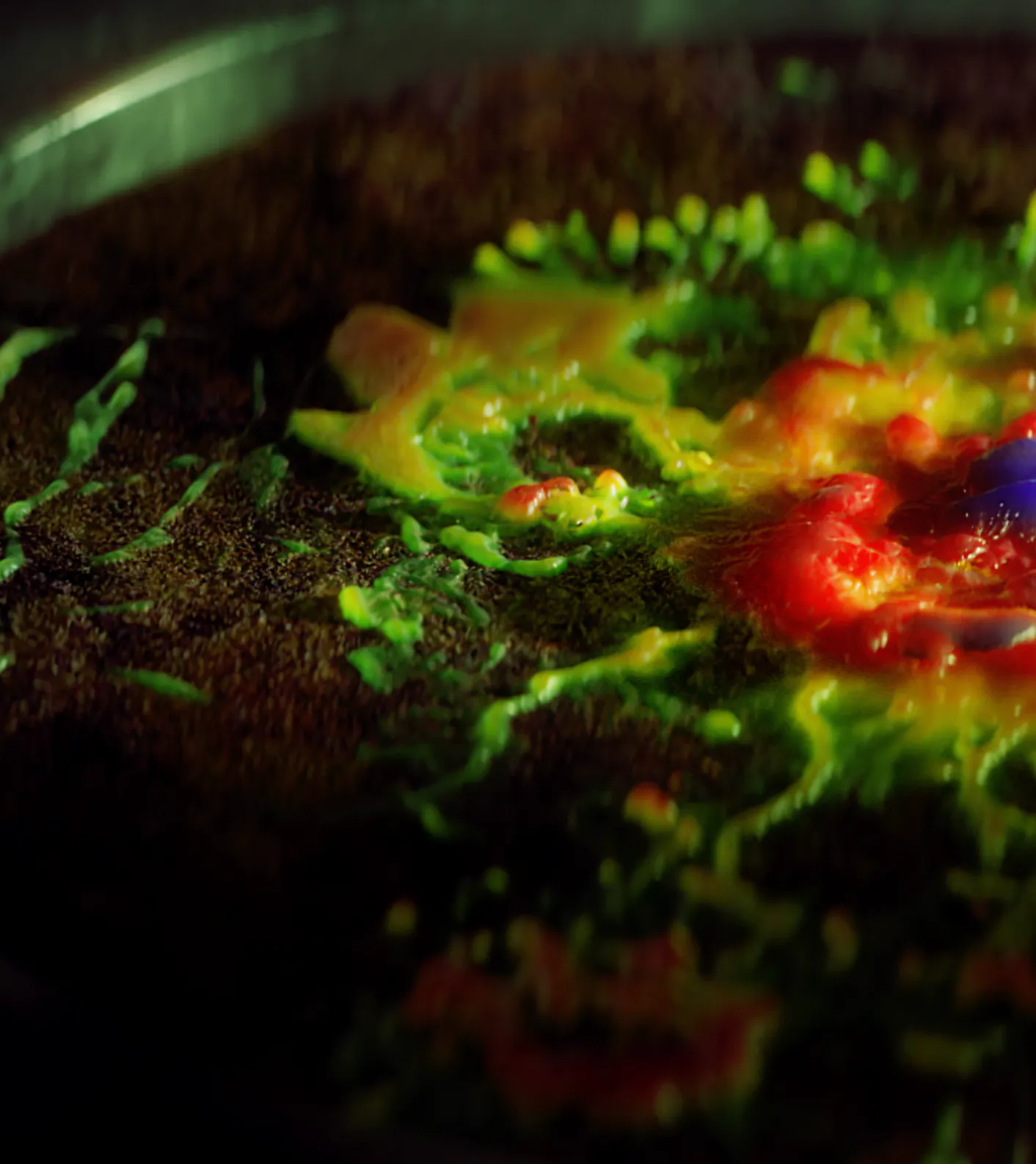
Dominated by toxic greens, sickly yellows, and deep industrial reds, contrasted with warm amber practical lights. The palette evokes chemical processes, radiation, and bio-engineering, reinforcing a sense of danger and instability.
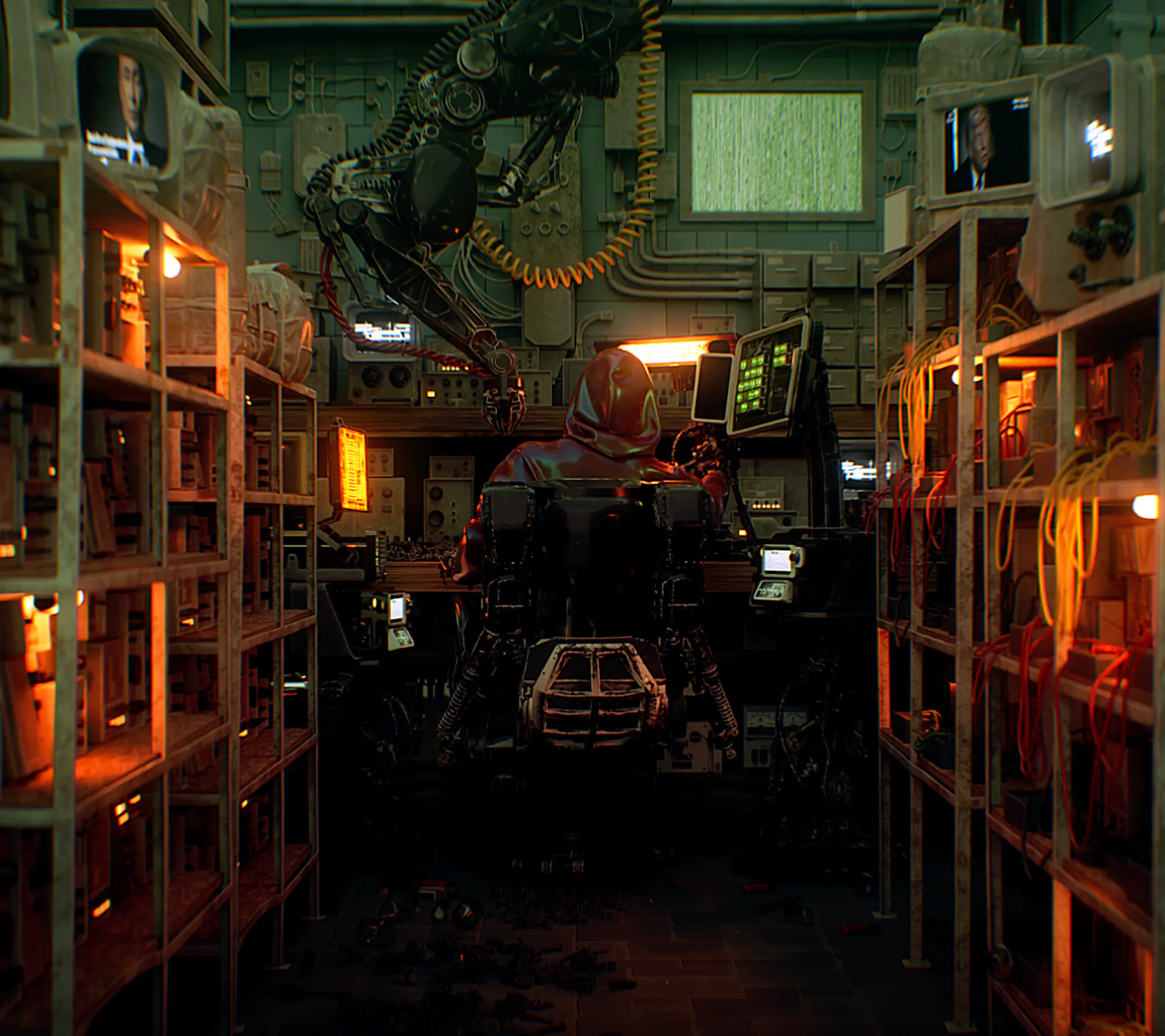
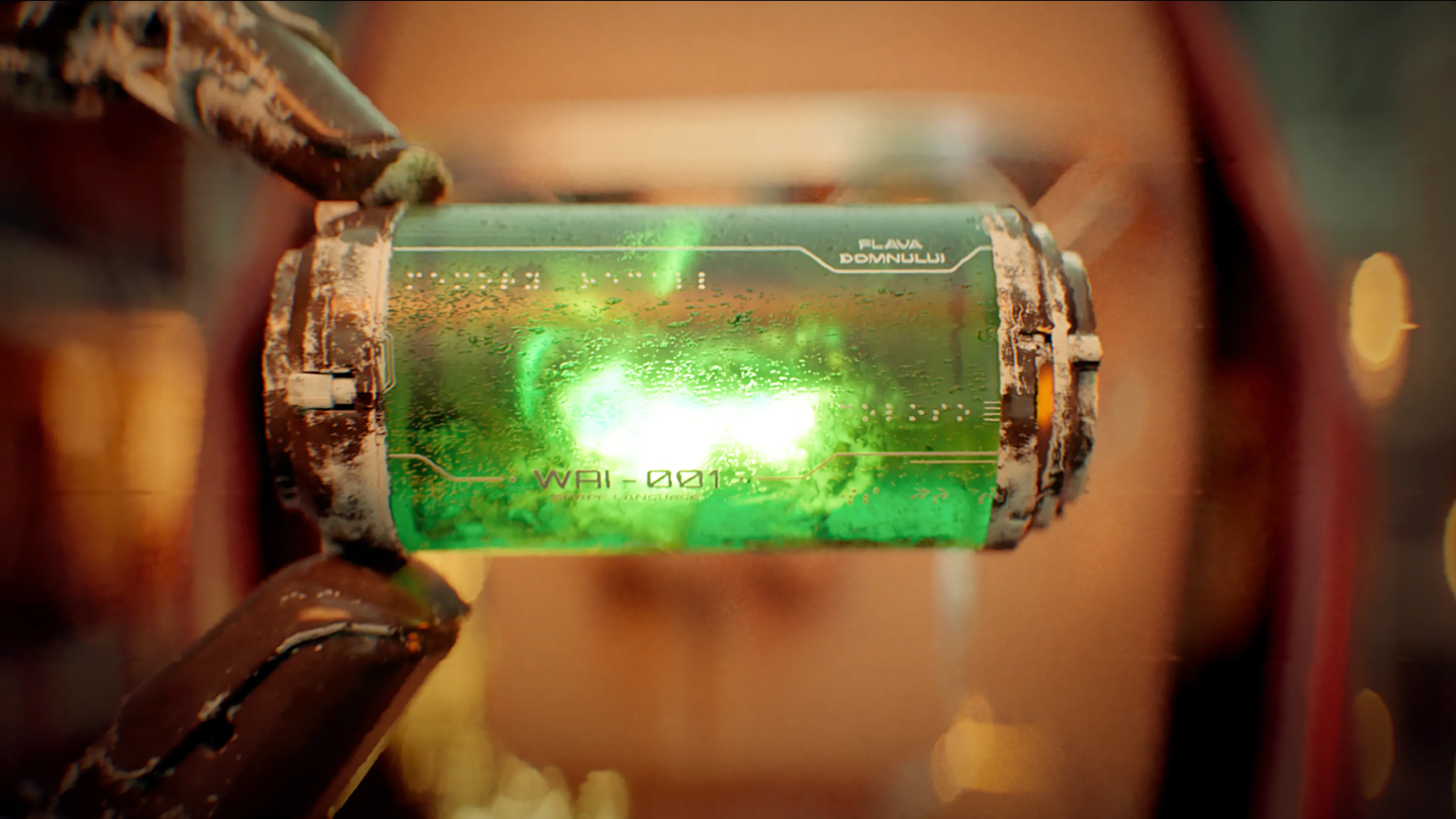
Low-key, cinematic lighting with strong volumetric fog, bloom, and light scattering. Practical light sources (monitors, warning panels, reactors) drive scene illumination, creating high contrast and depth while grounding the scenes in realism.
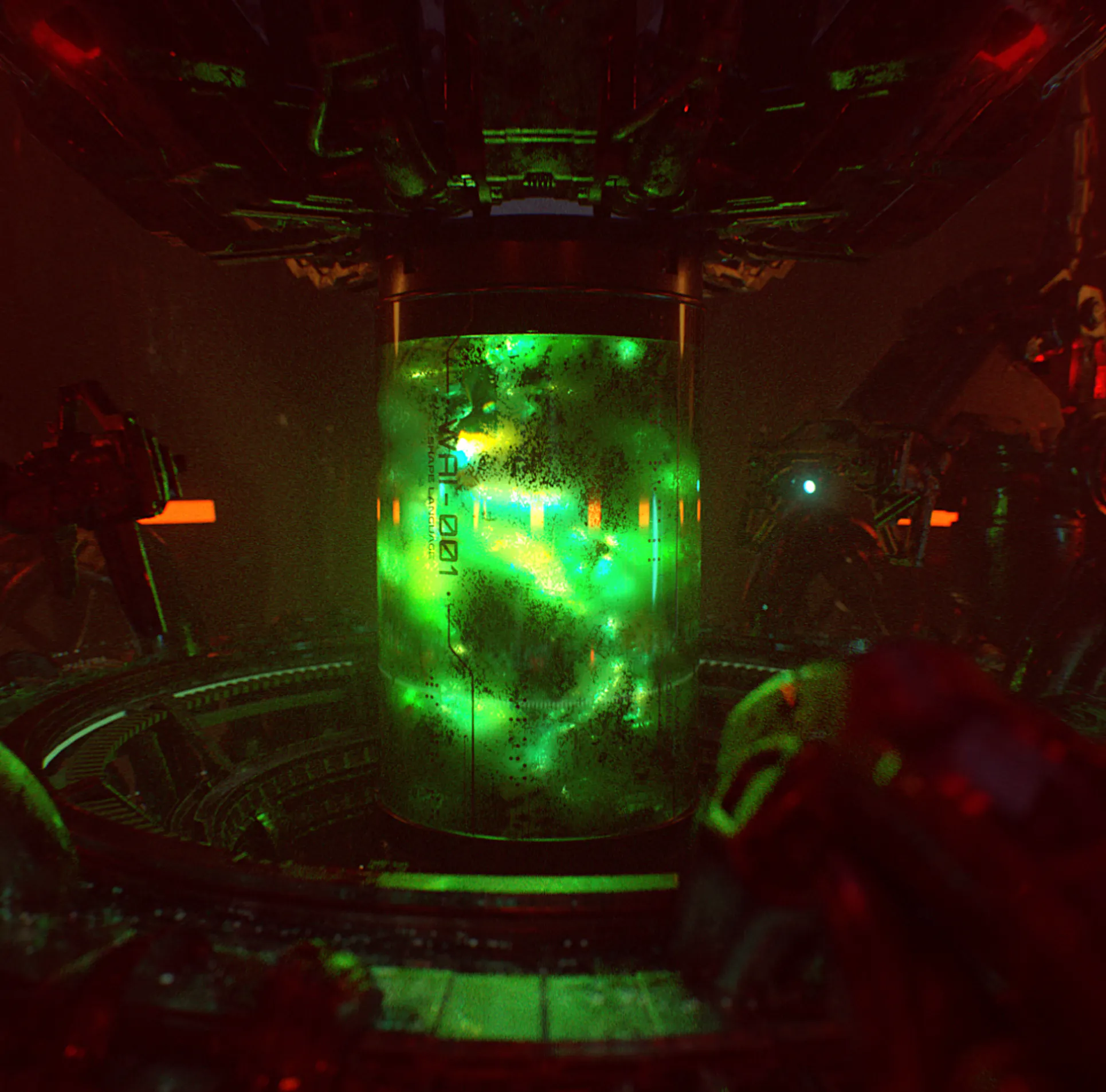
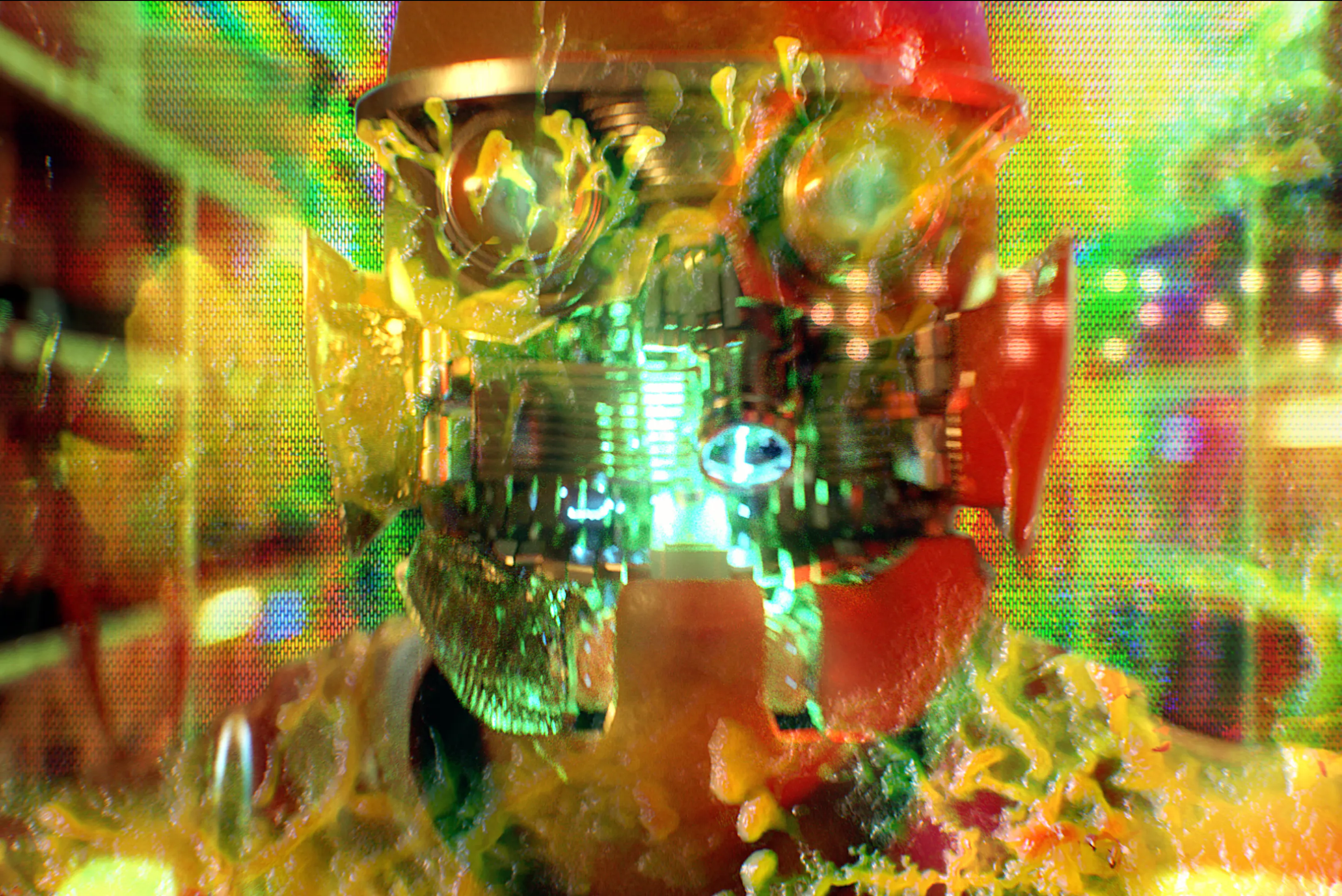
Thick haze, particulate matter, and environmental noise give the scenes weight and scale. The air feels contaminated, dense, heavy, and alive, supporting themes of industrial overreach and biological experimentation.
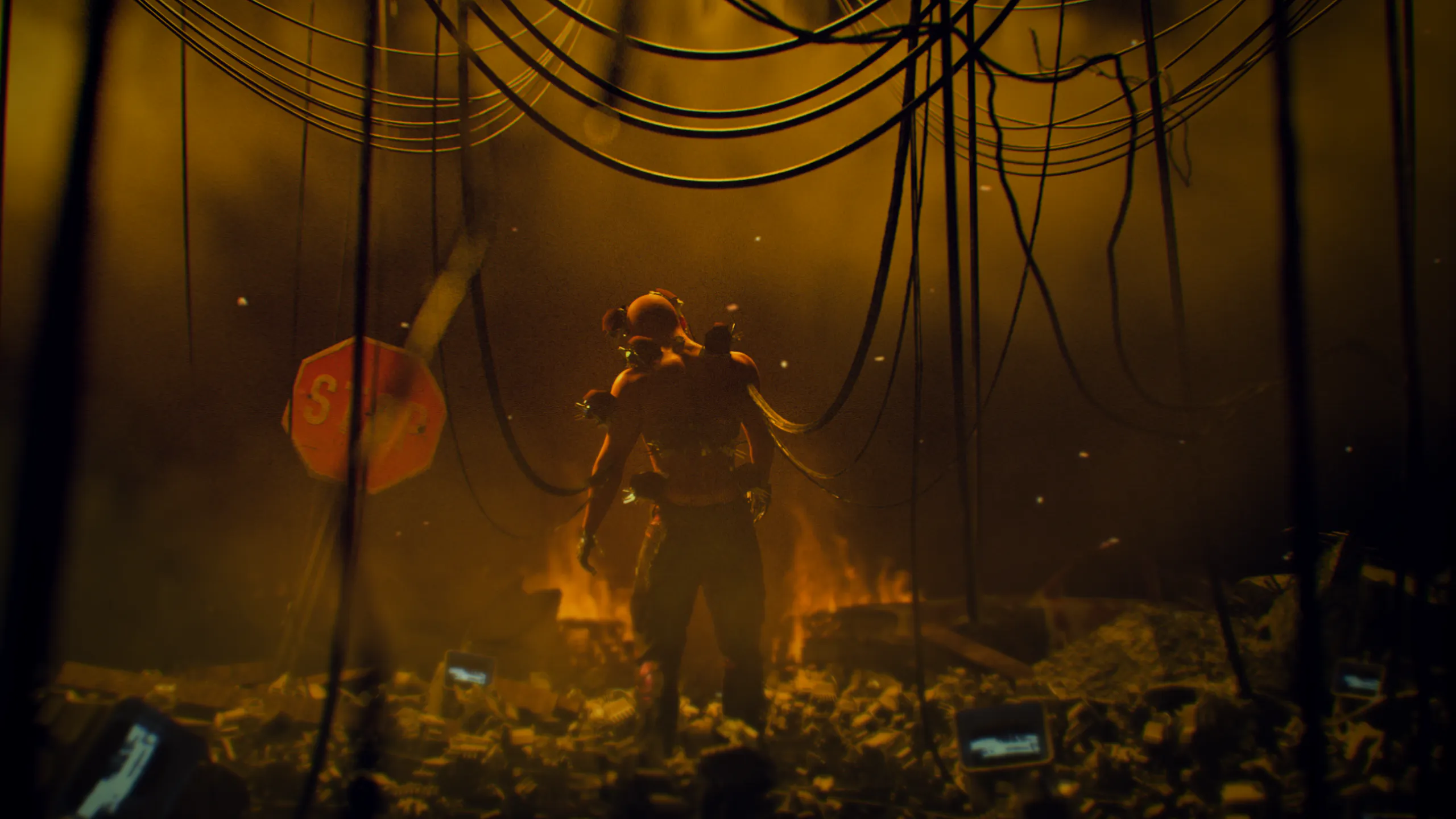
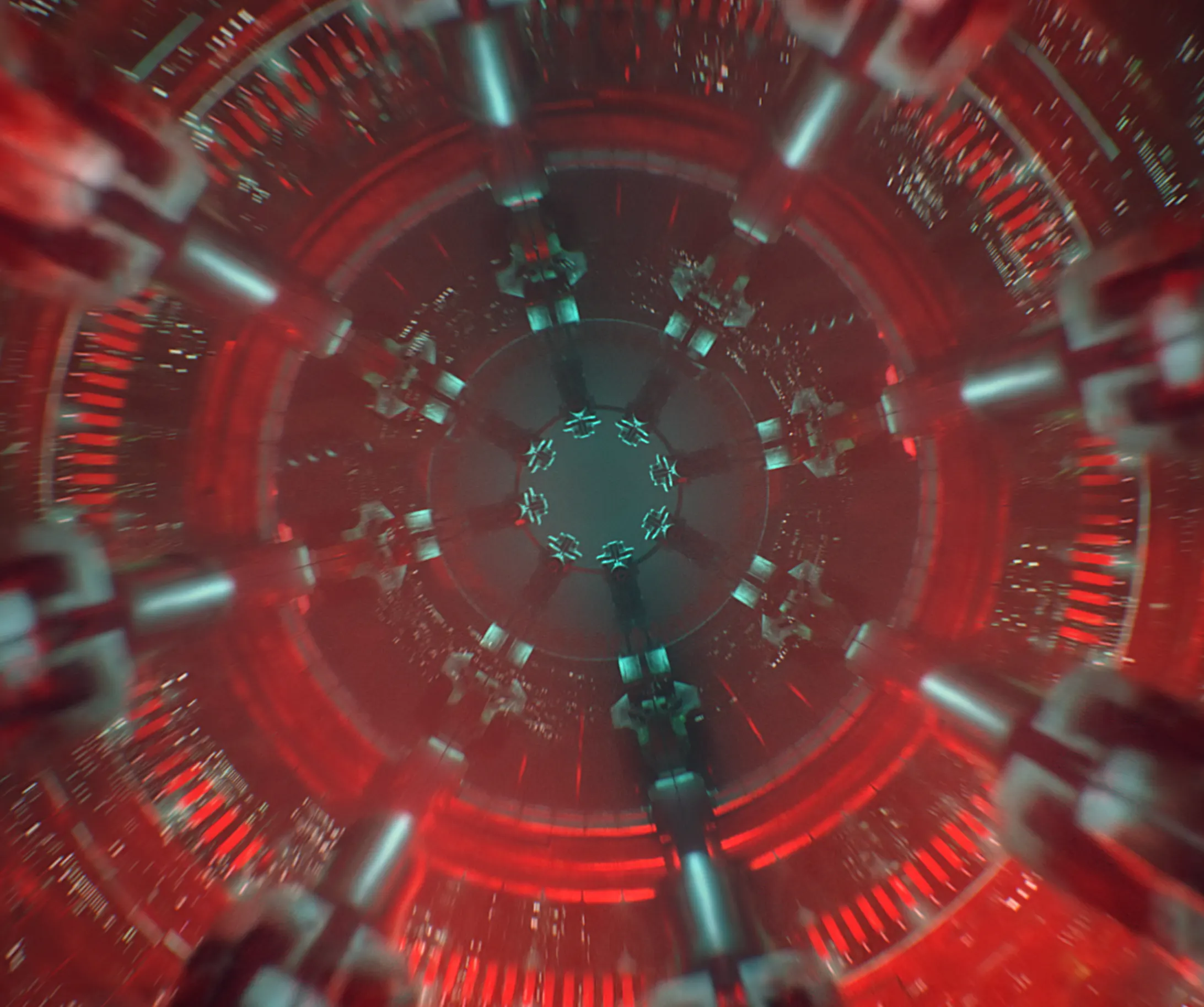
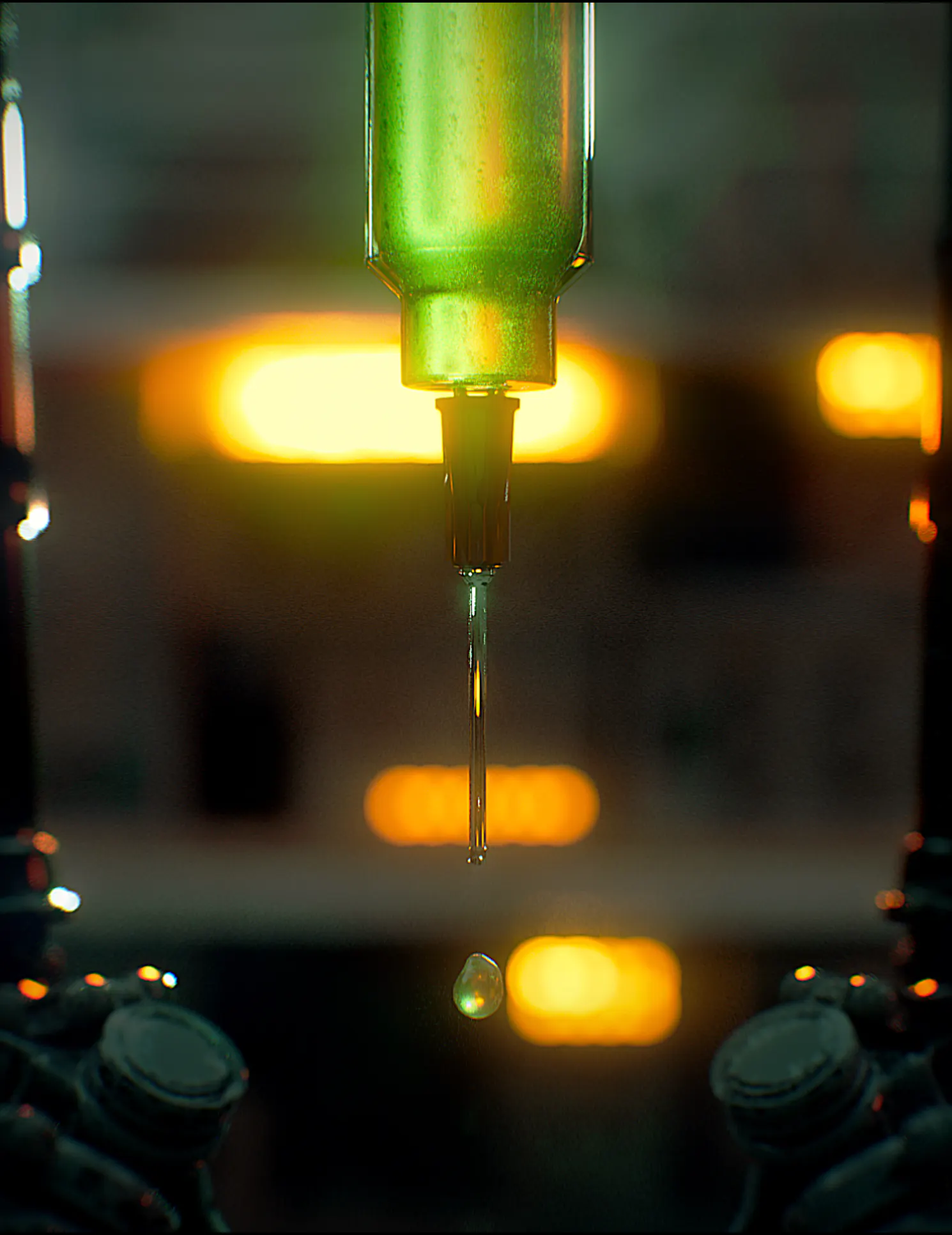
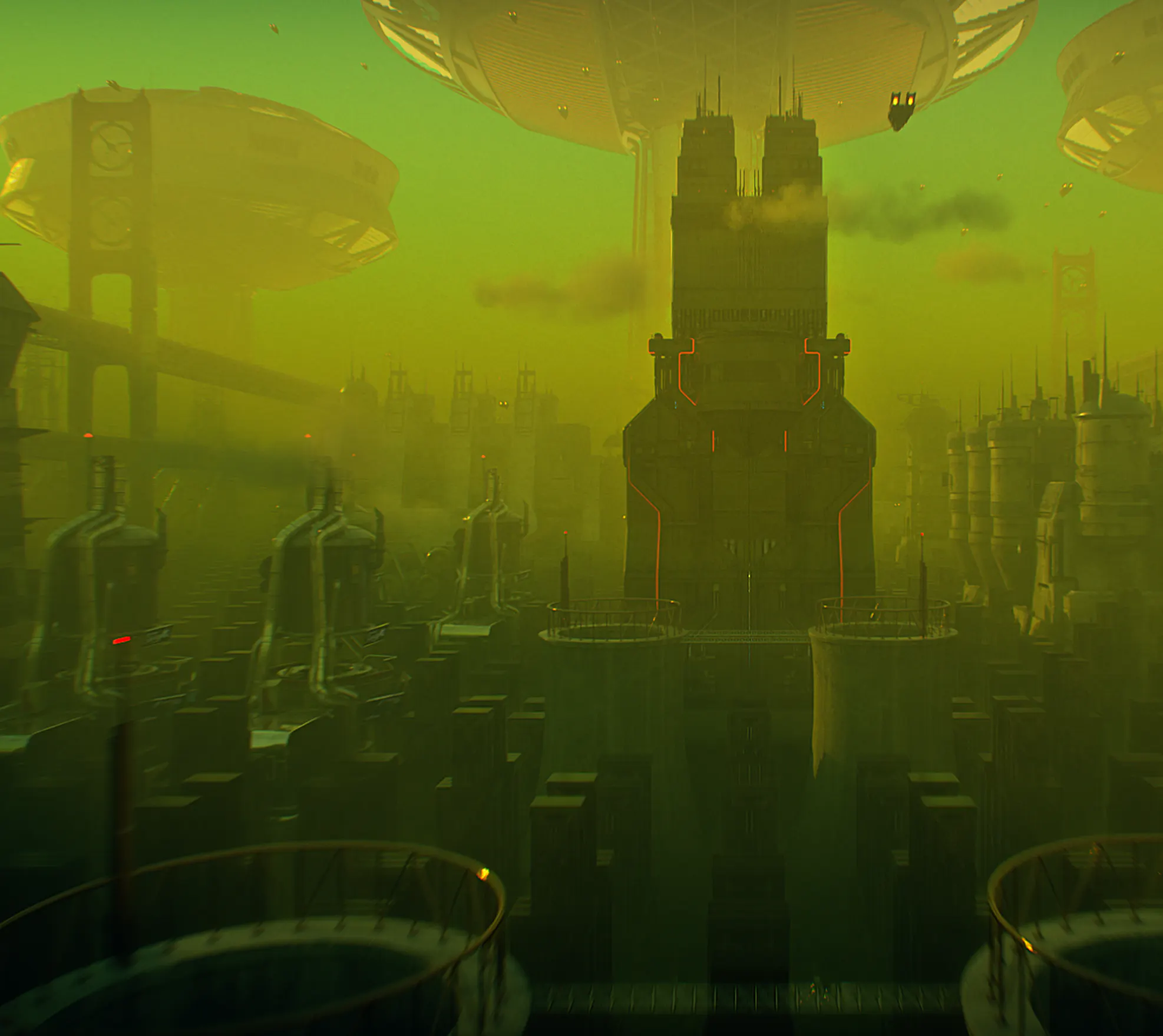
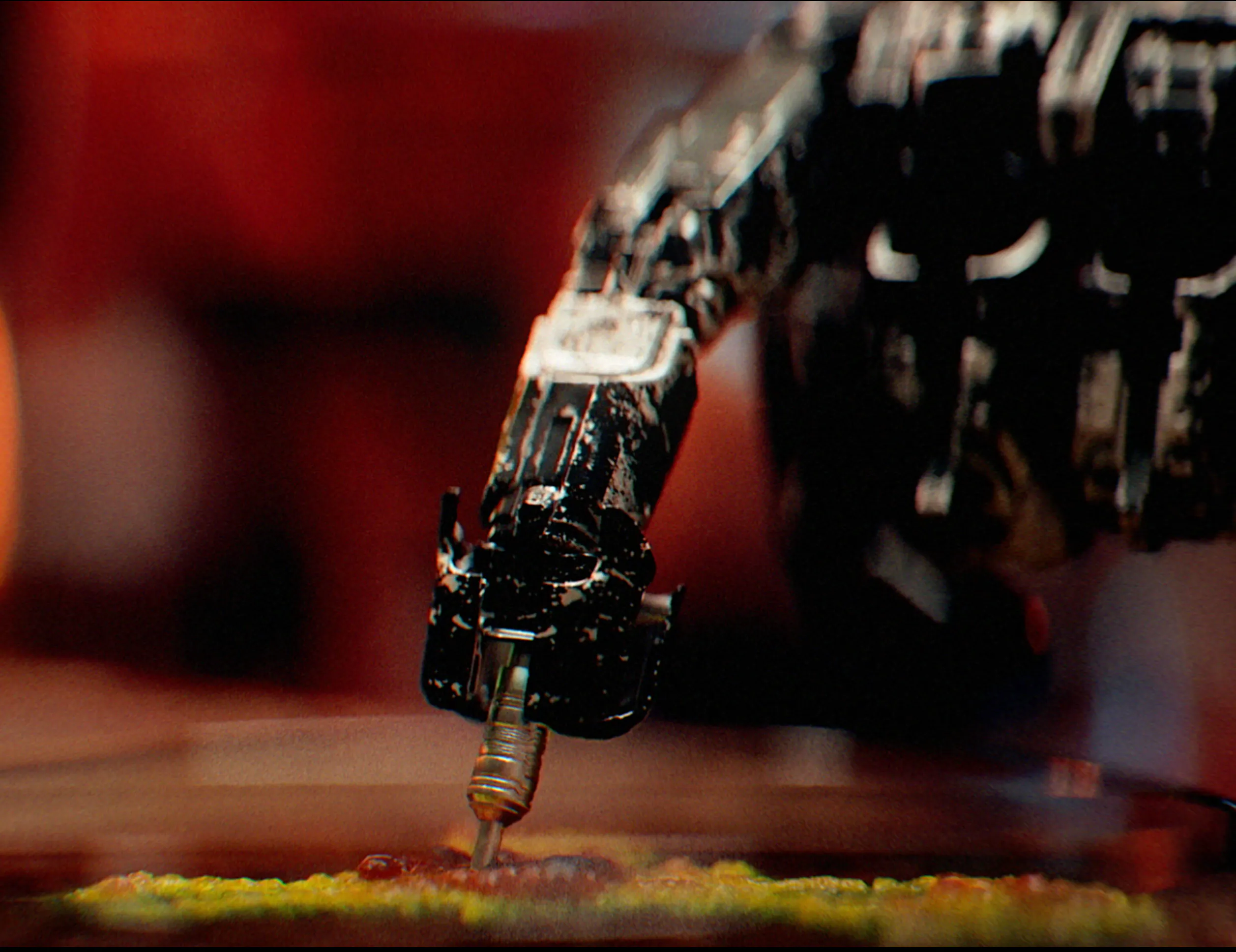
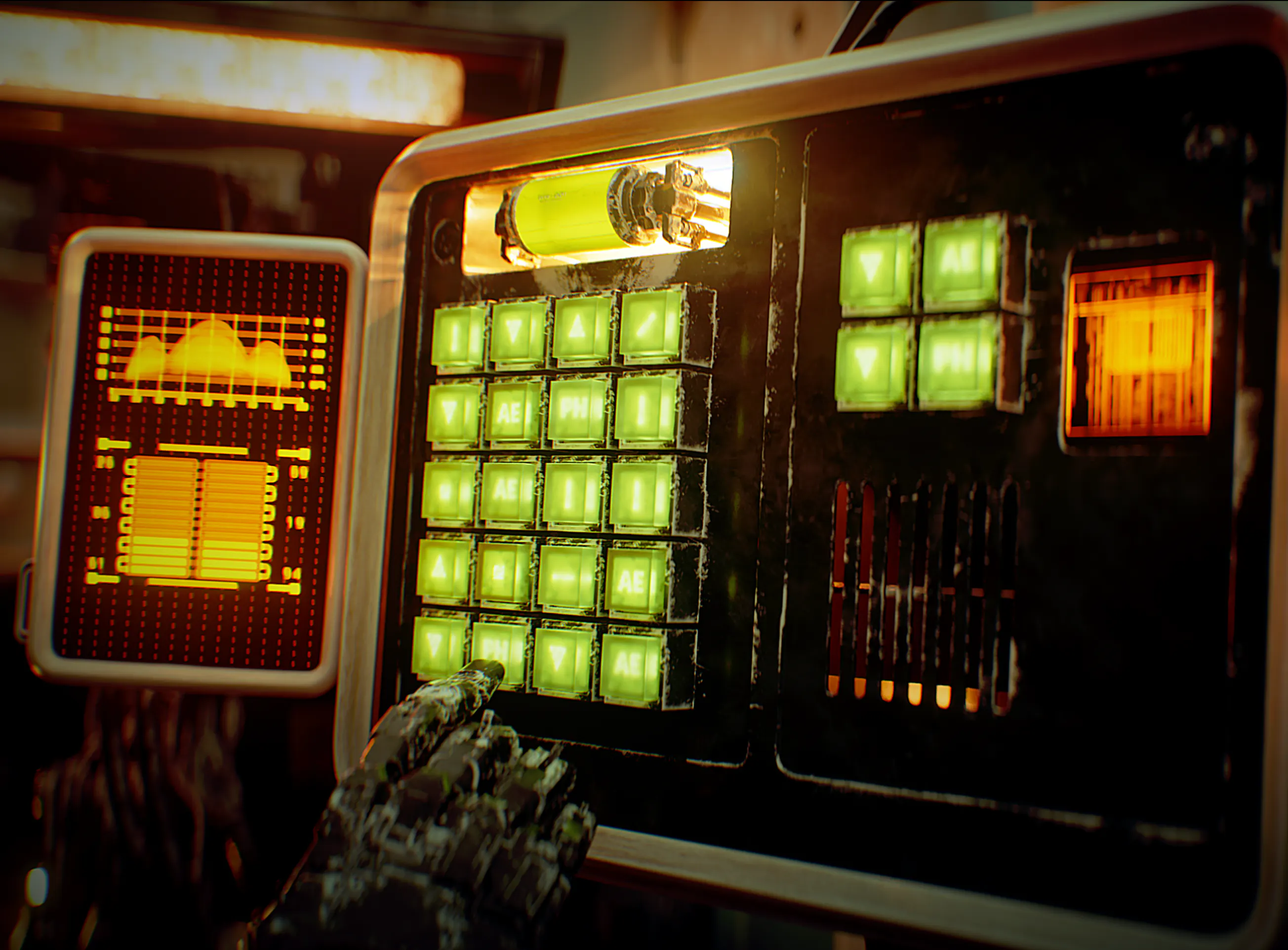
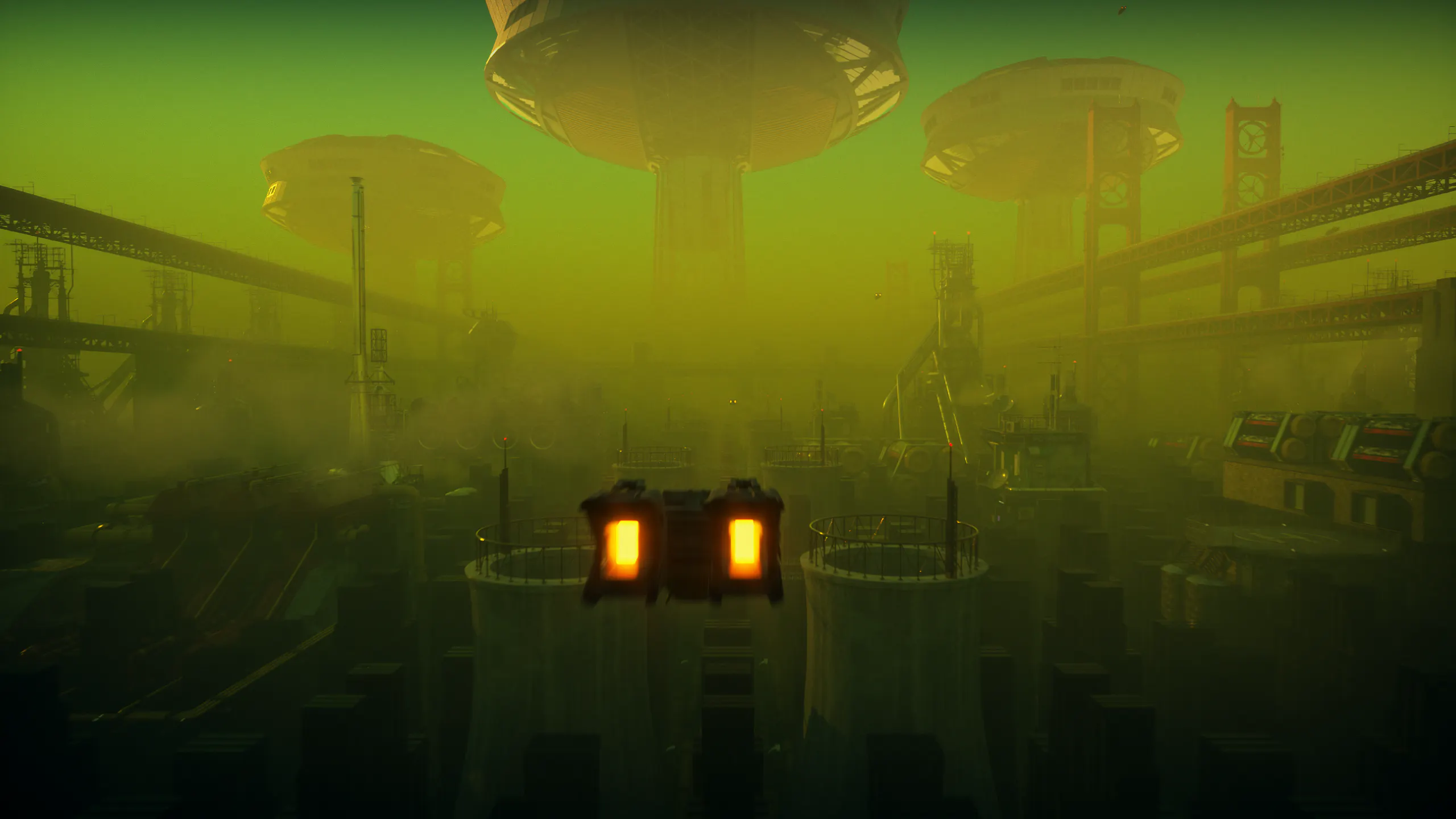
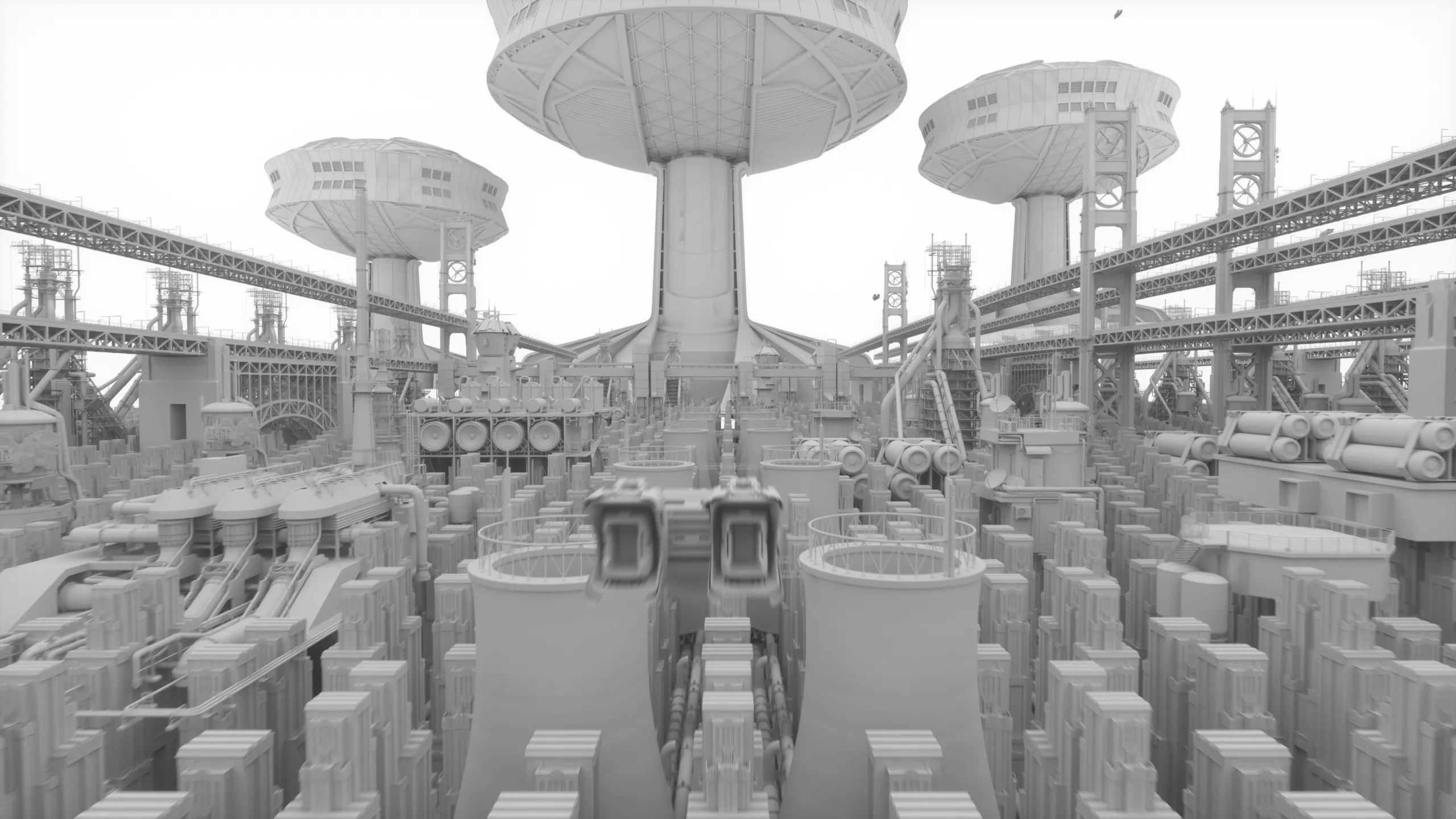
This piece showcases the transition from a clean, unlit blockout to a fully realized cinematic environment. The initial stage focuses on composition, scale, and architectural density, while the final render introduces volumetric fog, color grading, and atmospheric lighting to transform the scene into a dense, industrial sci-fi landscape.
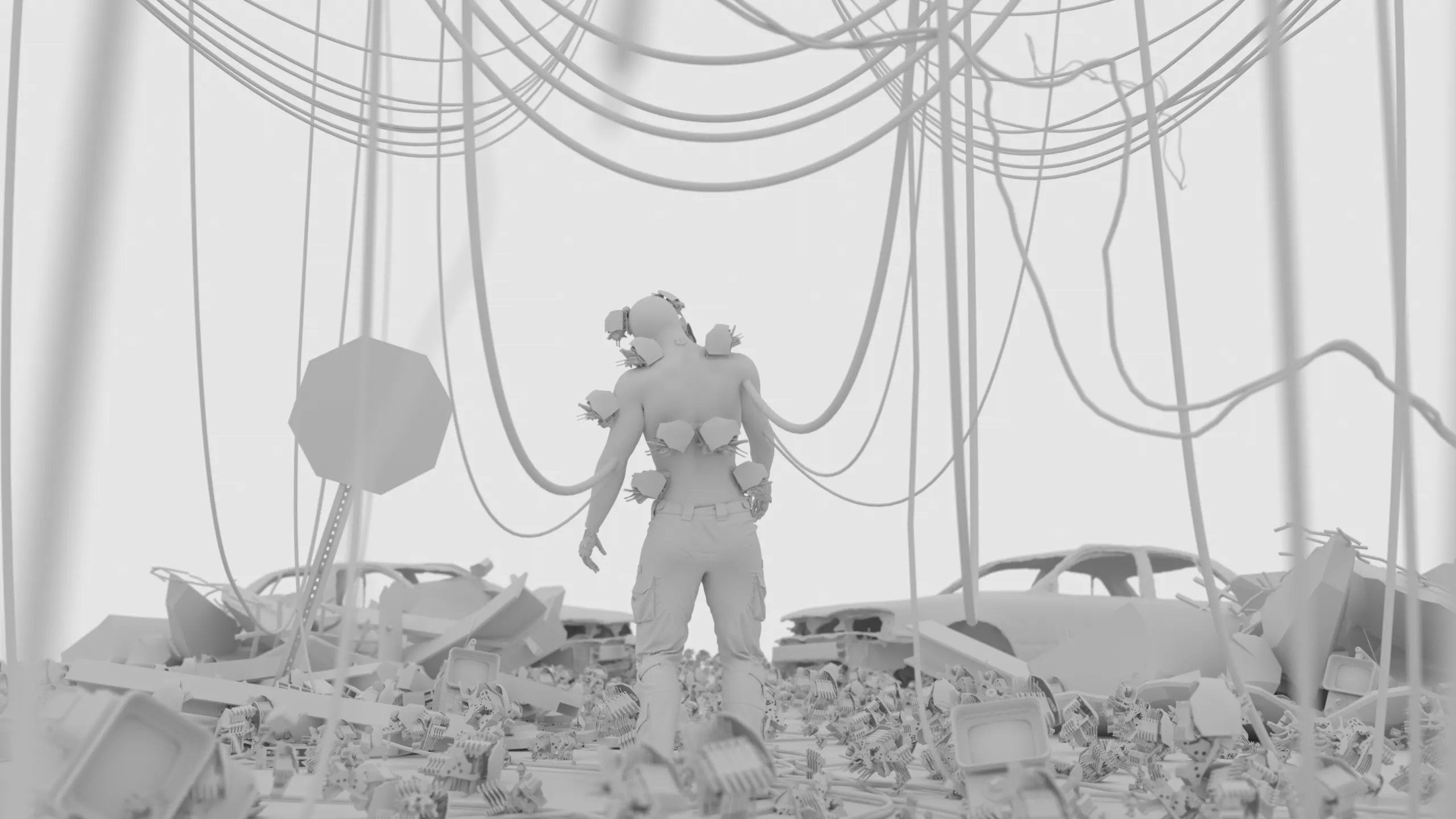
Starting from a neutral clay render emphasizing form and repetition, the final version introduces a toxic color palette, layered haze, and practical light sources. The goal was to evolve a purely structural environment into a narrative-driven space that feels hostile, polluted, and alive.
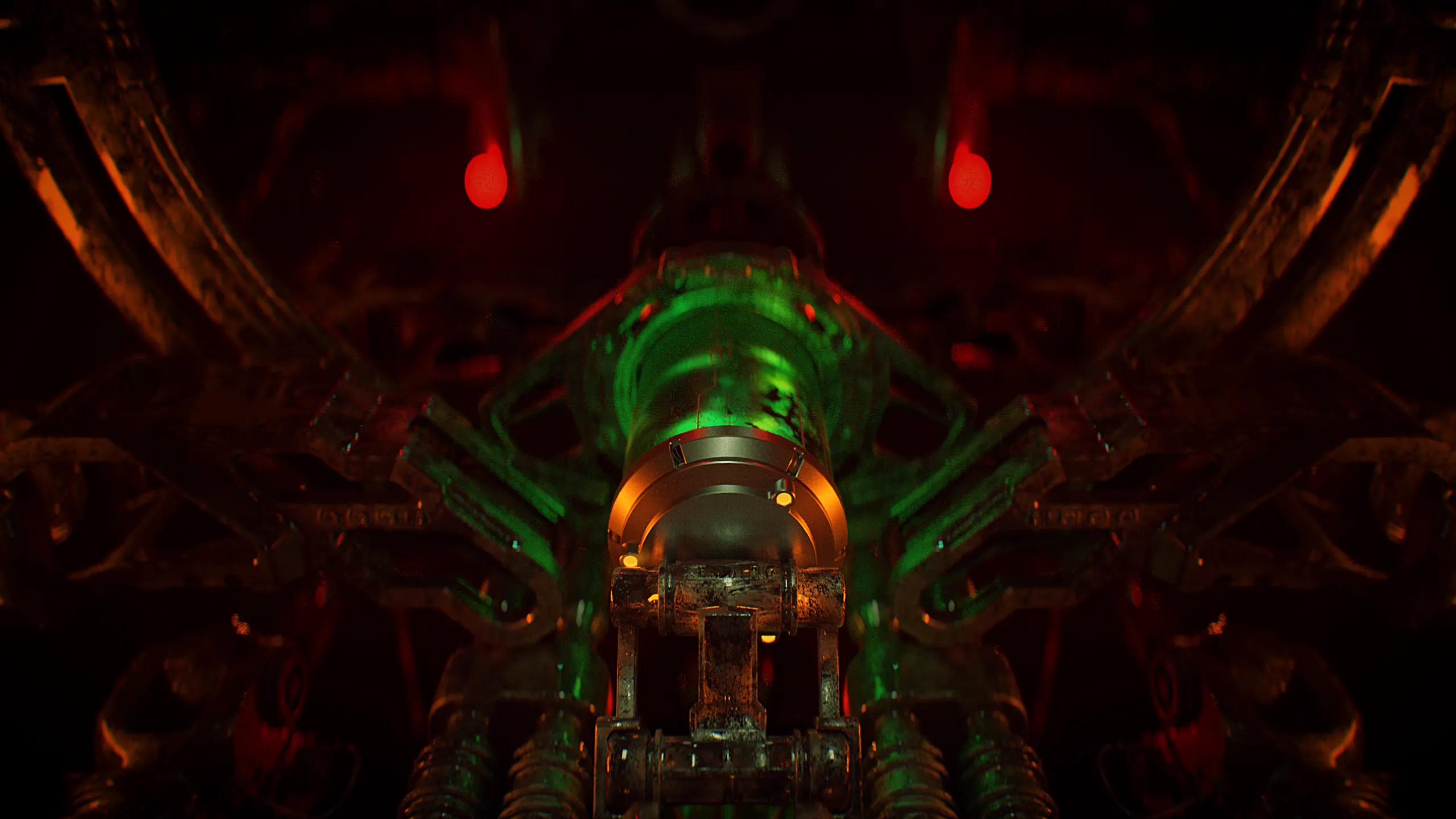
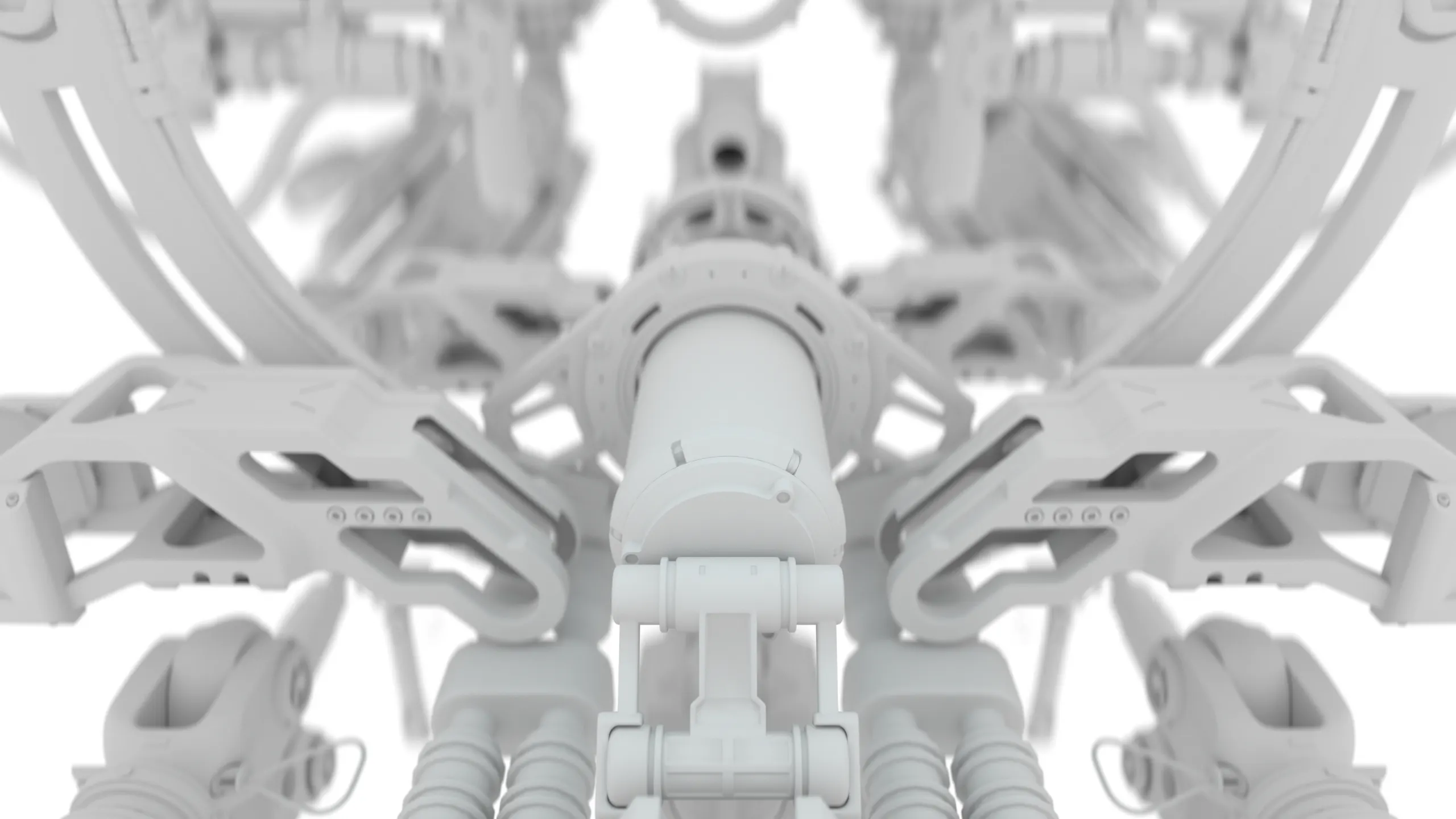
The before state isolates mechanical design, symmetry, and engineering logic. In the final render, materials, emissive elements, and contrast-driven lighting bring the machinery to life, shifting the focus from technical construction to mood, tension, and visual storytelling.
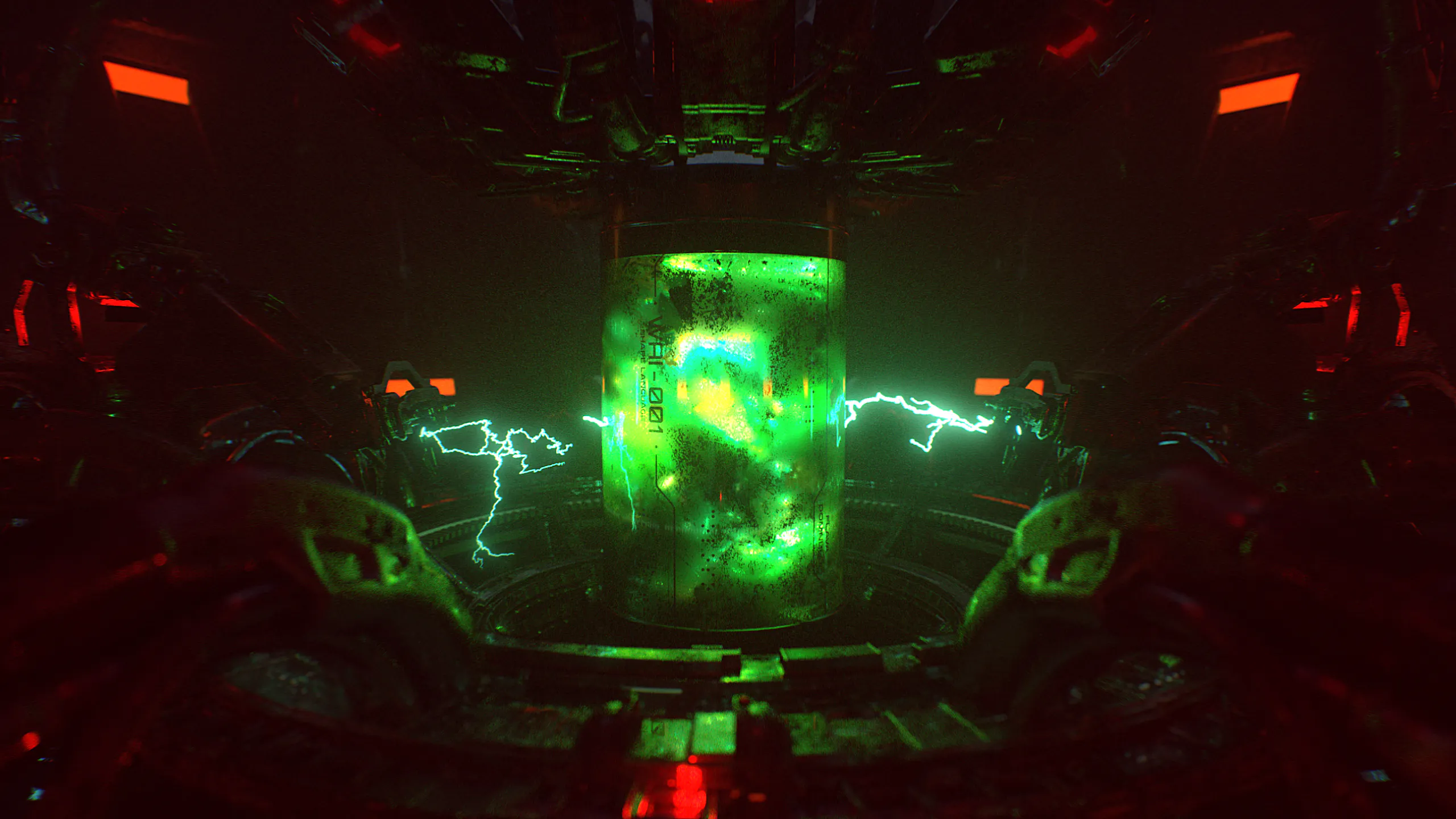
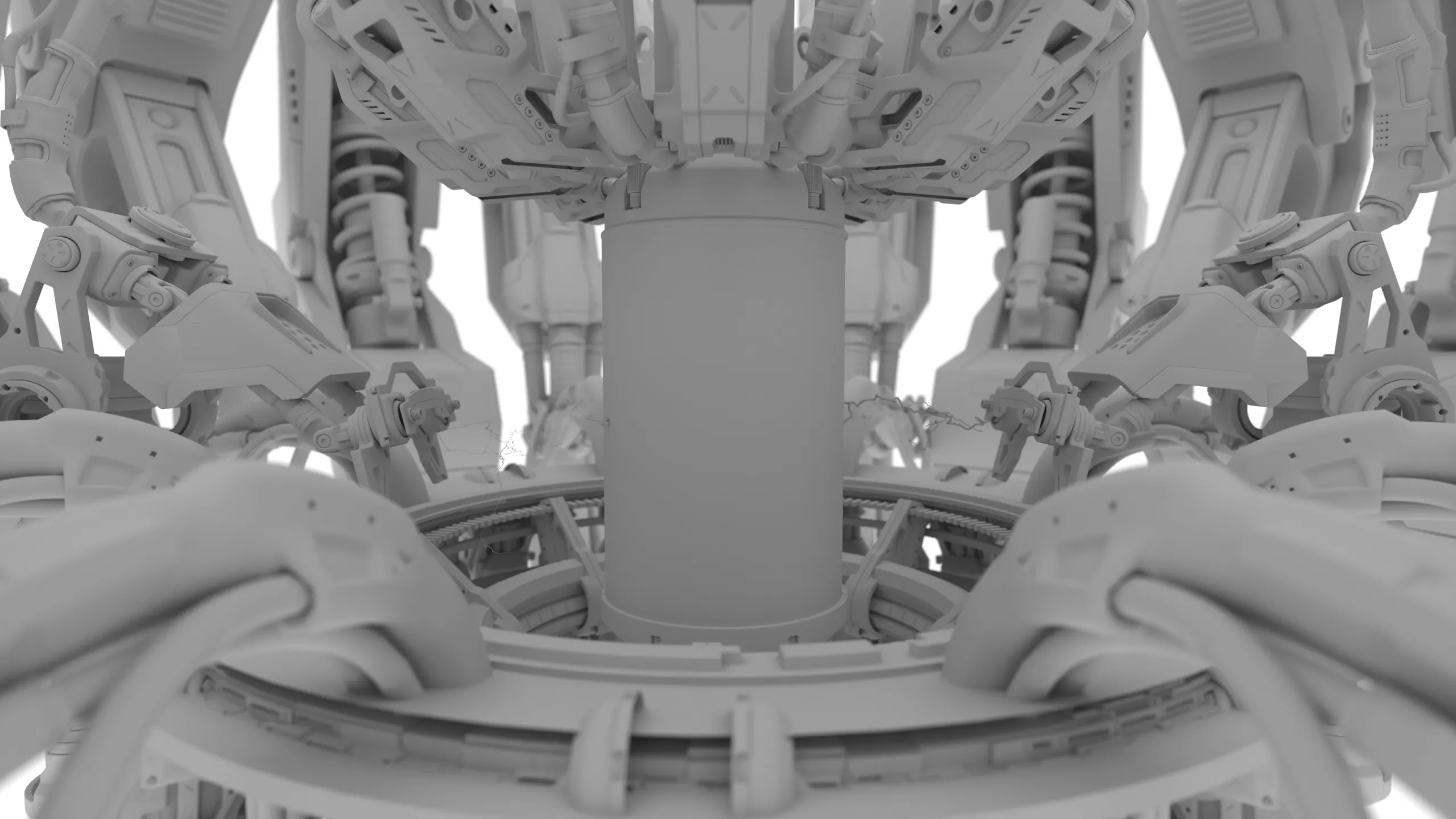
This comparison highlights the full production pipeline: from raw geometry and clean shaders to a finished cinematic frame. Surface wear, lighting direction, color contrast, and environmental effects are used to inject emotion and narrative weight into an otherwise sterile scene.